Who is CoreMotion for?
We’re developing CoreMotion for professional sports teams, with performance staff, physiotherapists, and sport scientists in mind.


Our approach
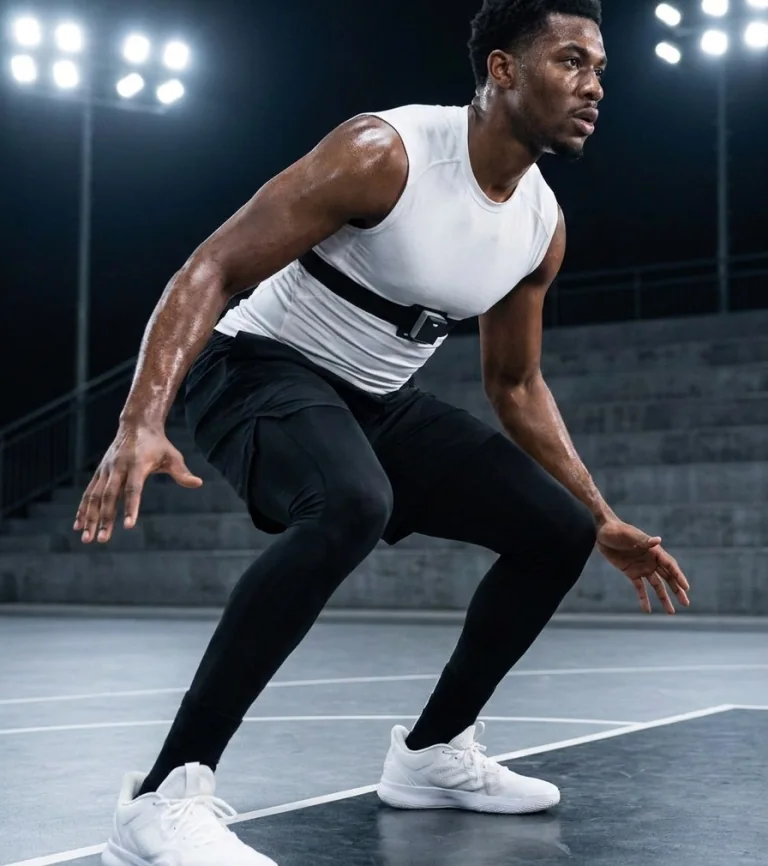
A chest-worn sensor and connected dashboard, in development for performance and rehabilitation teams.
Start with the movements your team already assesses. Keep a record to review as training progresses.
Secure the sensor on the athlete’s chest. A consistent starting point for each session.
Connect to the dashboard, select a task, and follow the setup prompts. Set the context before the athlete begins.
Capture repetitions and view movement feedback during the task. Keep a record of the movement you’re assessing.
Compare sessions with the athlete’s baseline alongside your assessment. Return to earlier sessions as training and rehabilitation progress.
Our approach draws on published work in trunk control, athletic movement, and rehabilitation. Those studies provide context. They do not validate the CoreMotion device.
Explore the researchWe’re developing CoreMotion for professional sports teams, with performance staff, physiotherapists, and sport scientists in mind.
CoreMotion is in development. The product images and workflow shown here illustrate what we’re building.
No. The research informs our questions about movement and rehabilitation. Those publications are not validation studies of the CoreMotion device.